Interior designer and architect websites that win projects
Case-study portfolios, design process, budgets and consultation booking — how interior designers and architects present work online.
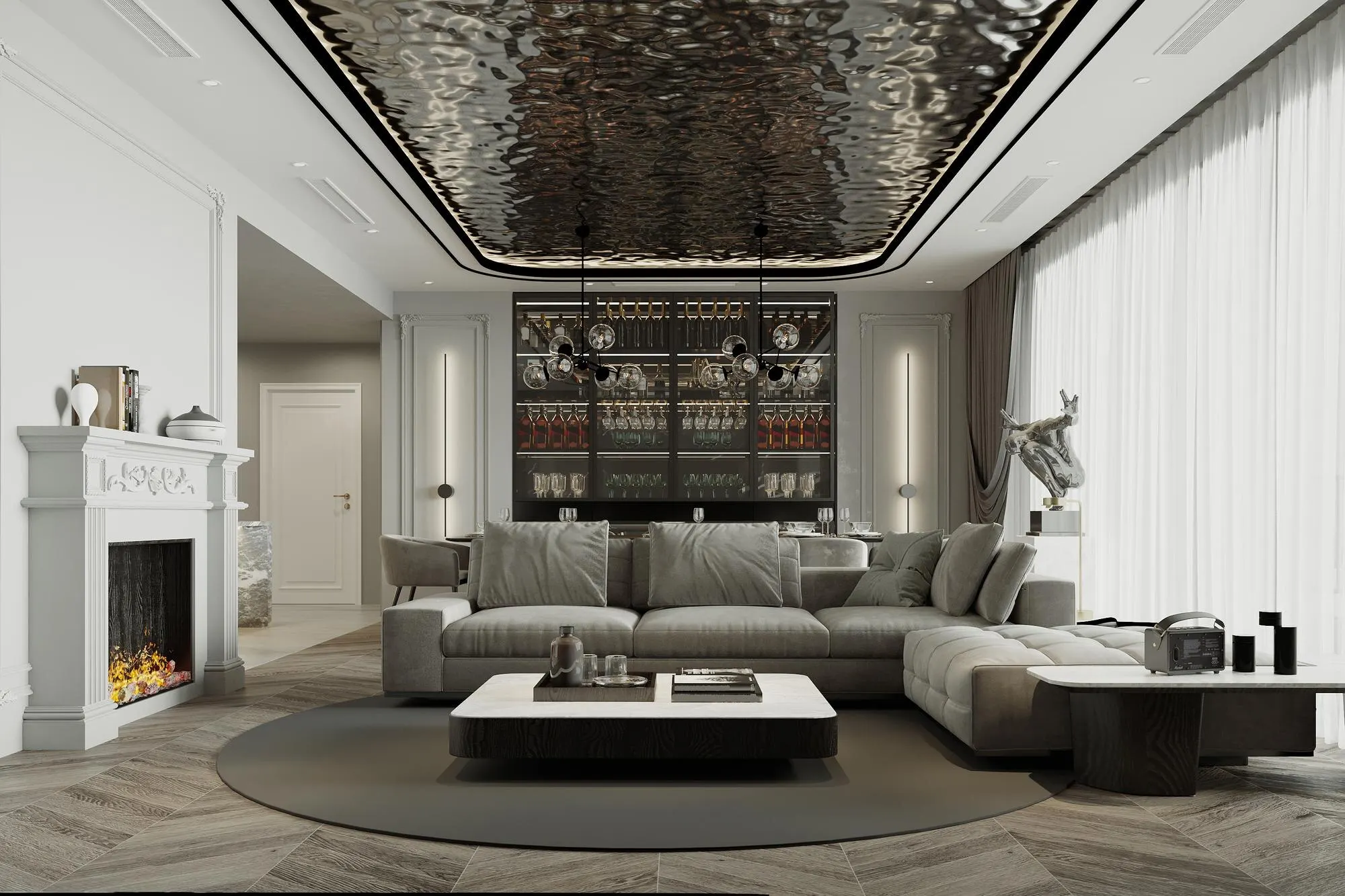
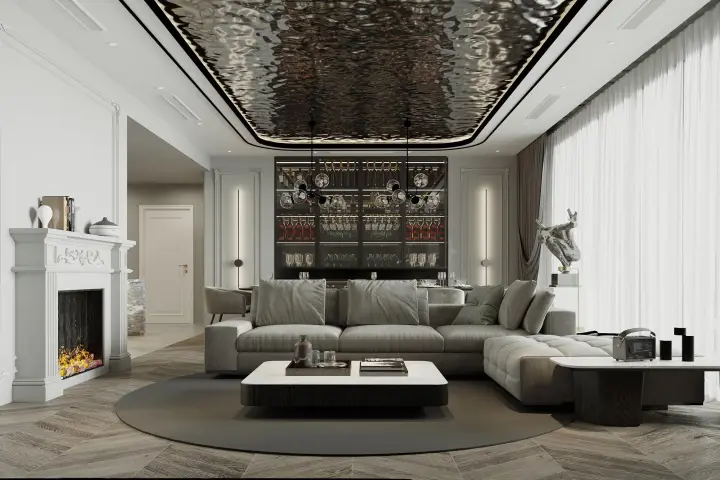
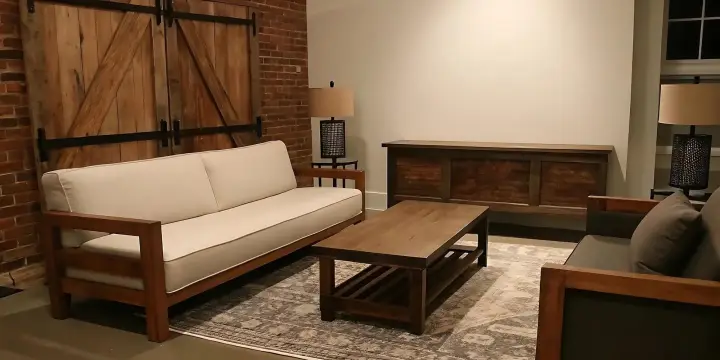
An interior designer website has to do something a social media feed cannot: explain how you think, not just show what you made. Clients hiring an interior designer or architect are spending lakhs on a home, office or restaurant and living with the result for years. They want to see finished spaces, understand your process, get a realistic sense of budget, and feel comfortable booking a first consultation. A portfolio built around case studies does this far better than a grid of pretty photos.
This guide covers portfolio structure, process and budget pages, consultation booking and the practical details that help interior designers, architects, turnkey interior firms and home decor studios in India win better projects.
Key takeaways
- Present projects as case studies with brief, constraints, design decisions and outcomes, not just photo galleries.
- Explain your design process and deliverables step by step so clients know what they are paying for.
- Budget guidance, even as ranges per sq ft or per room, filters mismatched enquiries early.
- Consultation booking with a short brief form turns interest into qualified meetings.
- Architect website design should also show approvals capability, building types and technical depth.
Why a case-study interior design portfolio wins projects
Instagram is great for inspiration, and many clients first find designers there. But a feed of beautiful images leaves important questions unanswered: What was the budget? How long did it take? Was it a new flat or a renovation? What did the client ask for? Our comparison of a website versus a social media page covers why owning this story on your own site matters.
A case study structure that works
- Snapshot: project type, city, area in sq ft, scope (full turnkey, design only, styling), duration.
- The brief: who the client was and what they needed, such as "a 3 BHK in Gurugram for a family with young children and grandparents visiting often".
- Constraints: low ceilings, awkward columns, a strict budget, a rental property that could not be altered much.
- Design decisions: layout changes, material choices, storage solutions, lighting plan.
- Before and after: photos, and where possible plans or 3D views alongside final images.
- Budget band: an approximate range if the client agrees.
Four to eight detailed case studies usually persuade better than fifty uncaptioned projects. Keep a separate lighter gallery for smaller jobs if you like.
Organising the portfolio for different clients
A client planning a café fit-out does not want to scroll through bedrooms. Categorise work by the way clients search.
| Category | Examples | What these clients care about |
|---|---|---|
| Residential | Apartments, villas, bungalows, rental makeovers | Storage, family needs, budget control, timeline |
| Modular kitchens and wardrobes | Kitchens, wardrobes, TV units | Materials, hardware, warranty, price per running foot |
| Commercial and office | Offices, co-working, clinics, showrooms | Brand fit, workflow, fast execution, minimal downtime |
| Hospitality and retail | Restaurants, cafés, boutique hotels, stores | Customer experience, durability, licensing coordination |
| Architecture | Houses, institutional and commercial buildings | Planning, approvals, structure, sustainability |
Let visitors filter by type and city. Good photography is the biggest investment here; phone photos in poor light undersell even excellent work.
Get photo permissions early: add a clause in your contract allowing you to photograph completed projects for your portfolio, with an option for clients to stay anonymous. It avoids awkward requests after handover.
Explaining your design process and deliverables
Many first-time clients do not know what an interior designer actually delivers, which leads to misunderstandings about fees. A clear process page answers this before the first meeting.
- Consultation and site visit: understanding needs, measurements and budget.
- Concept: mood boards, space planning and layout options.
- Design development: 3D views, material and finish selections, lighting and electrical plans.
- Working drawings: detailed drawings for carpentry, false ceilings and civil changes.
- Execution: either turnkey through your team or supervision of the client's contractors.
- Handover: snag list, cleaning, styling and warranty documents.
State typical timelines for each stage and how many design revisions are included. Explain your fee model plainly: percentage of project cost, per sq ft design fee, fixed fee or turnkey pricing.
Budget guidance without scaring clients away
"How much will it cost?" is the question every designer hears first. Many avoid answering online, which fills inboxes with enquiries from people whose budget does not fit. Honest ranges build trust and save time.
- Offer ranges per sq ft or per room for essential, mid-range and premium finishes.
- List what changes the cost: carpentry material (plywood grade, MDF, HDHMR), laminates versus veneers, hardware brands, civil work, imported fittings.
- Separate design fees from execution cost clearly.
- Mention GST and payment milestones.
- Add a note that exact quotes follow a site visit and finalised design.
A simple budget estimator, where a client picks home size, rooms and finish level to see an indicative range, can be a strong lead generator if kept honest. Write it carefully; our website content writing tips explain how to be clear without overpromising.
Include one or two case studies with a modest budget. They signal that you work with real-world constraints, not only luxury projects, and attract a wider range of serious clients.
Consultation booking and qualified enquiries
The goal of an interior design portfolio site is a good first meeting. Make booking easy, but ask enough to prepare.
- "Book a consultation" button on the homepage, portfolio and process pages.
- Short brief form: project type, city, area, possession date, scope, budget band.
- Optional upload of floor plan and site photos.
- Choice of studio visit, site visit or video call, with available slots.
- Paid consultation option if you charge for the first detailed session.
- WhatsApp confirmation with what to bring: floor plan, reference images, list of must-haves.
Pre-filled WhatsApp messages from each case study ("I liked your Baner 3 BHK project, can we discuss my flat?") tell you exactly what attracted the client. See our WhatsApp integration guide for how to set this up.
Architect website design and home decor stores
For architects
Architecture firms should add building types, sustainability approach, awards and publications where genuine, and support for approvals and coordination with structural and MEP consultants. Show drawings, models and site photos alongside final images to demonstrate technical depth. Practising architects in India are registered with the Council of Architecture, which has its own professional conduct rules on publicity; confirm current guidance before promotional content.
For home decor and furniture studios
Studios selling decor, custom furniture or furnishings can combine a design portfolio with a product catalogue, showroom appointment booking and enquiry-based ordering. The furniture store website designs show how catalogues and room inspiration can sit together.
Typical interior designer website costs
| Scope | Typical 2026 range | What drives cost |
|---|---|---|
| Portfolio site with gallery, about and contact | ₹15,000 – ₹40,000 | Design detail, number of projects, copy |
| Case-study portfolio with consultation booking | ₹40,000 – ₹90,000 | Filters, booking slots, file uploads, budget estimator |
| Studio site with product catalogue or multiple offices | ₹90,000 and above | Catalogue management, showroom booking, enquiry CRM |
Professional architectural photography is usually a separate cost and worth planning into the budget.
Explore interior and architecture website designs
Browsing working portfolio sites helps you decide how to present your own projects. Open the live interior and architecture website designs and look at how case studies, process and consultation booking are laid out. If you would like a site built around your best projects, message Webmaintor on WhatsApp with a few project photos.
Frequently asked questions
What should an interior designer website include?
A case-study portfolio organised by project type, a clear design process page, budget and fee guidance, an about page with the team and studio, client reviews, consultation booking with a brief form, and contact details with WhatsApp. Good photography and fast-loading, well-compressed images make the biggest difference to how the site feels.
How many projects should an interior design portfolio show?
Quality matters more than quantity. Four to eight detailed case studies with briefs, constraints, decisions and before-and-after photos usually persuade better than dozens of uncaptioned images. You can add a smaller gallery for other work, but keep your strongest, most relevant projects at the top of each category.
Should interior designers show prices on their website?
Showing indicative ranges per sq ft or per room, with finish levels explained, helps clients self-qualify and reduces mismatched enquiries. Keep design fees separate from execution costs, mention GST, and state that final quotes depend on a site visit and approved design. Update the ranges as material costs change.
How can architects get clients from their website?
Show completed and in-progress projects with context, explain services from concept to approvals and site supervision, publish helpful content about planning and building in your city, and make it easy to book an initial meeting. Keep promotional content within the Council of Architecture's professional conduct guidance.
Is Instagram enough for an interior design business?
Instagram is excellent for discovery and inspiration, but it cannot show full case studies, process, fees and structured enquiry forms well, and you do not control the platform. Most successful studios use Instagram to attract attention and their website to convert that interest into qualified consultations.